
Reading the seasons in the hills
In the mountains, the same house can be full in May and empty in August. Planning around the seasons matters more than any single upgrade.
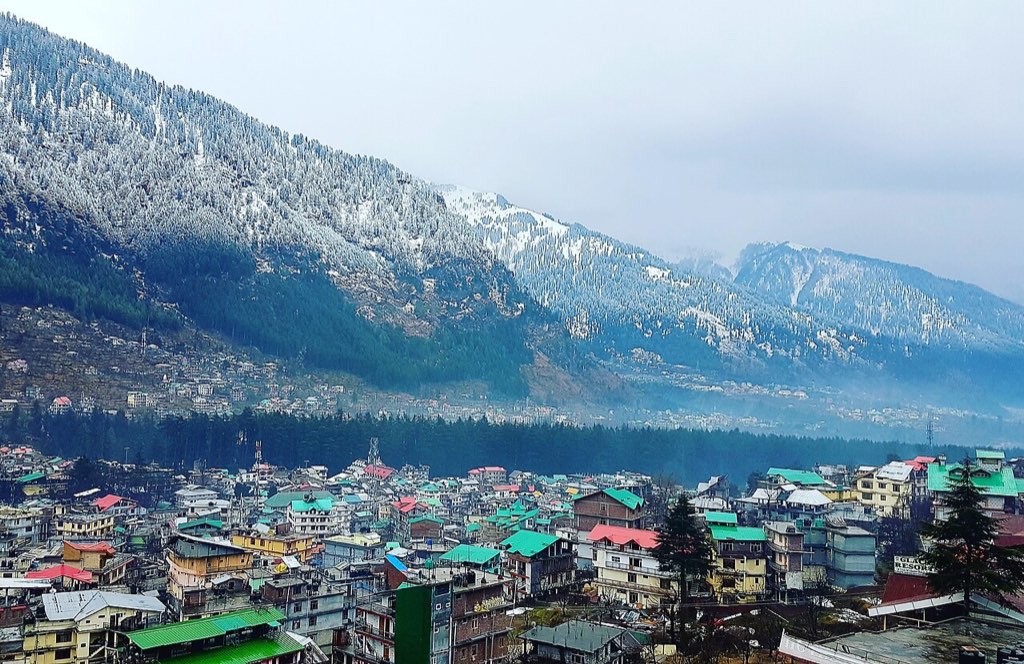
City rentals see fairly even demand. Hill homes do not. Guests, risks and chores change with the calendar, and altitude shifts everything: Rishikesh at the foot of the hills and a village above Manali live through very different winters. Use the outline below as a starting point, then adjust it with what your neighbours and panchayat know about your valley.
The four phases at a glance
- March to June: the summer escape from the plains; school holidays; trekking routes opening.
- Roughly July to September: monsoon; landslide and road-closure risk; low and unpredictable demand.
- October and November: clear skies after the rains; festival holidays; the best light of the year.
- December to February: snow at higher altitude; a year-end spike; the hardest operating conditions.
Summer: capacity and logistics
Families and groups arrive by car, often on the same weekends. Traffic in popular towns slows arrivals, so allow flexible check-in times and send directions that avoid the busiest stretches where possible. Before the rush, clean water tanks, repair anything winter damaged and confirm parking. Trekkers passing through appreciate early breakfasts and somewhere to store luggage while they are on the trail.
Monsoon: protect the house and the guest
Heavy rain brings landslides, swollen streams and blocked highways across both states. This is when an owner's priorities flip from filling the calendar to limiting damage. Clear drains, inspect retaining walls and slopes, cut back overhanging branches and check electrical boards for moisture. On the booking side, publish clear cancellation terms, ask guests to check road status before setting off, and consider blocking dates in weeks when your access road is known to close. Quiet monsoon weeks can still suit workation guests from nearby cities, provided internet and power are dependable.
Autumn: the recovery window
Once the rain stops, repair monsoon damage quickly, because October and November bring festival travellers and photographers. Use the same weeks to prepare for winter: service heaters, insulate pipes, buy heavy bedding and build fuel and dry-food stocks. Long-stay remote workers often favour this period for its calm and clear weather.
Winter: snow as a draw and a hazard
In snow-belt villages, the Christmas and New Year period can fill quickly, often with guests who have never experienced a mountain winter. Warmth, running water and power backup define their stay. Our winter operations page covers these in detail.
Turning the calendar into booking rules
Set rules per season rather than one policy for the year:
- A two- or three-night minimum during peak weekends to ease cleaning and staffing.
- More flexible cancellation terms during monsoon weeks to build trust.
- Earlier check-in cut-offs in winter, so guests do not drive icy roads after dark.
- Monthly discounts for workation stays in shoulder seasons, if you choose to offer them.
Nightly pricing is a separate exercise, and we do not publish invented figures for it here. What the calendar gives you is a clear view of when to invest effort, when to protect the house and when to stay flexible.
Local fairs and pilgrimages
Every valley has its own fairs and yatras that briefly lift demand and clog roads. Ask the panchayat and local shopkeepers for the year's dates, and plan staff, supplies and parking around them.
Frequently asked questions
When is peak season for hill homestays?
Generally summer (March to June) and autumn (October and November), plus the year-end period in snow-belt villages. Altitude and local events shift this.
Should I close during the monsoon?
If your access road closes often during heavy rain, blocking some weeks or offering flexible cancellations is sensible. Otherwise quiet weeks can still attract nearby and workation guests.
When should winter preparation begin?
In October and November, once the rains have ended: service heaters, insulate pipes, stock bedding, fuel and dry food.
Do trekkers book differently from families?
Yes. Trekkers often stay one or two nights before and after a route, arrive and leave at odd hours, and need gear drying and luggage storage.
In this guide
Areas
State pages
More free tools
Thinking of renting out your home?
Free, no-obligation estimate from Hexuvium, managing short-term rentals since 2015. Prefer WhatsApp? Leave your number — we reply there.
Get a free income estimate