
The hillside is part of the building
In the mountains, a house is only as sound as the slope beneath it and the water that runs across it. Most monsoon damage begins as a blocked drain that somebody meant to clear.
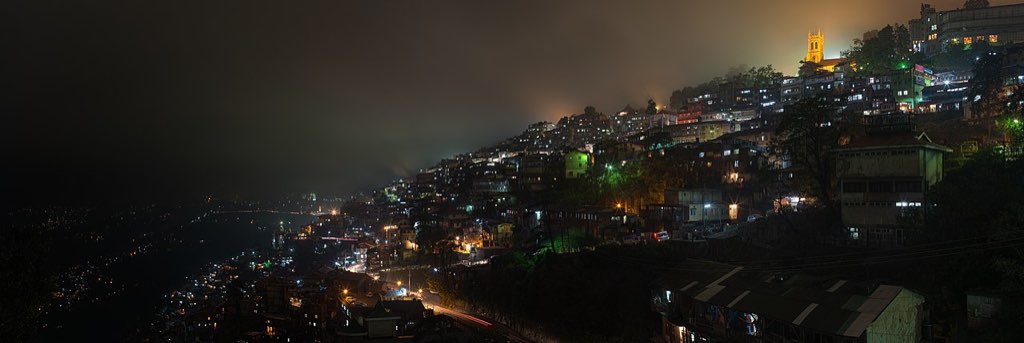
Owners of hill homestays spend on rooms, views and heating, and rightly so. The structure that keeps all of it standing gets much less attention: the cut slope behind the house, the retaining walls below it, the path to the road and the channels that carry rain away. In a heavy monsoon those are the parts that fail first, and they rarely fail without warning.
Water is the real load
A slope that stands happily through a dry winter can move once it is saturated. Nearly everything an owner can do comes down to controlling water: catching roof run-off and sending it somewhere safe, keeping surface drains open, and making sure no pipe, tank overflow or soak pit is quietly feeding the ground under your own foundations or a neighbour's. The National Disaster Management Authority's advice to hill residents starts in the same place — keep drains clean and keep the weep holes in retaining walls open.
Weep holes and the walls that hold the terrace
Weep holes are the small openings near the foot of a retaining wall that let trapped water out. When they clog with silt, leaves or a well-meant coat of cement, water builds up behind the wall and pushes. Walk every wall on the property with the caretaker and learn which ones hold your terrace, your parking and your access path. Note who owns each: yours, a neighbour's, or the public road's. A wall you depend on but do not own needs a conversation before the rains, not after a collapse.
Signs that deserve a phone call
- New cracks in walls or floors, or old ones that widen between visits.
- Doors and windows that start to stick for no obvious reason.
- Trees, poles or fence posts leaning more than they did last season.
- A bulge in a retaining wall, or water seeping from its base after rain has stopped.
- A spring that turns muddy, or ground that sinks around a tank or septic pit.
- Unusual sounds from the slope — cracking trees or moving stones.
None of these is a diagnosis. Each is a reason to have a qualified engineer look before guests are booked into the rooms nearest the problem.
A pre-monsoon round
- Clear roof gutters, downpipes and every surface drain, and check where each one actually discharges.
- Rod the weep holes and remove debris piled against walls.
- Photograph every wall, crack and slope face with a date, so change can be measured rather than remembered.
- Trim trees whose roots or weight threaten a wall, and replant bare patches: roots hold soil.
- Move stored materials and vehicles away from the downhill edge.
After each heavy spell
Ask the caretaker to walk the same route within a day of heavy rain and send photographs from the same spots. Comparing them against the dated set is how small movements get noticed early. Anything new goes to the engineer, and the rooms above or below it stay empty until someone qualified has seen it.
Repairs and permission
A collapsed wall tempts a quick rebuild with whatever the local mason has. In the hills, new walls, cuttings and extensions usually fall under local building and planning rules, and a rushed repair that loads the slope differently can create the next failure. Get the design from an engineer and the permission from the local authority before rebuilding anything structural.
When to stop taking guests
Decide this before the season. If the district issues heavy-rain warnings, if the road below is closed, or if a warning sign appears near occupied rooms, close the affected dates and tell guests early; a refund costs less than an evacuation. Brief staff on what the authority itself recommends in an emergency: move away from the path of a slide and away from the valley below it.
Where Hexuvium fits
We cannot make a slope safe; engineers do that. What we do is keep the dated photographs, run the pre-monsoon and post-rain checks with your caretaker, block rooms when conditions call for it and keep guests informed, so decisions about the ground are taken with evidence in hand.
Frequently asked questions
What is a weep hole and why does it matter?
A drainage opening near the base of a retaining wall. If it blocks, water pressure builds behind the wall; national disaster guidance tells hill residents to keep them open.
Which cracks should worry me?
New cracks, cracks that widen between visits, bulging walls and doors that start sticking. Have an engineer inspect before booking nearby rooms.
Can my mason rebuild a fallen wall straight away?
Only after an engineer has designed the repair and the local authority has given any permission required. A hasty rebuild can load the slope badly.
When should I cancel bookings in the monsoon?
When the district warns of heavy rain, the access road closes, or a warning sign appears near occupied rooms. Decide the rule before the season starts.
In this guide
- Running a homestay in the hills
- Reading the seasons in the hills
- Water in, water out, and what the guests leave behind
- The last kilometre decides the stay
- Homestays in Uttarakhand
- Winter operations for mountain homes
- The people who keep a mountain house running
- Two utilities decide whether a hill stay is remembered fondly
- The amenity that sells the winter and carries the only real risk
Areas
State pages
More free tools
Thinking of renting out your home?
Free, no-obligation estimate from Hexuvium, managing short-term rentals since 2015. Prefer WhatsApp? Leave your number — we reply there.
Get a free income estimate