
The amenity that sells the winter and carries the only real risk
A wood stove fills a calendar in January. It is also the one thing in a hill property that can harm a guest while everyone is asleep.
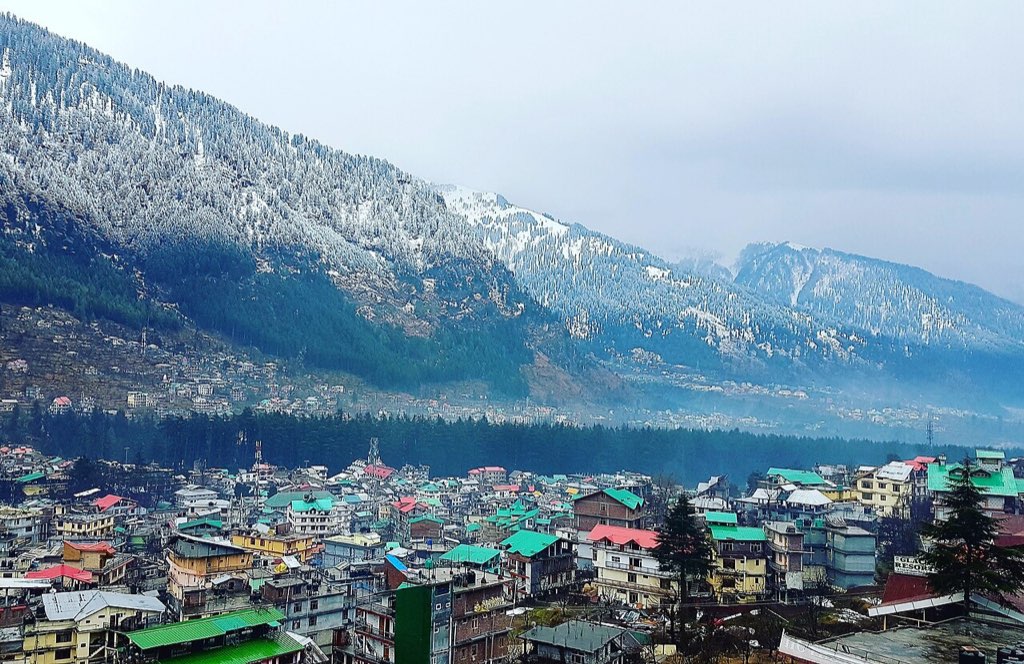
Warmth is the product in the cold months. Guests choose a hill property for the fire in the photograph, and a homestay without a heating answer sits empty from December to February. The same equipment, badly installed or casually explained, is the most serious hazard in the house. Both facts deserve equal attention.
Wood stoves, if you keep them
A traditional bukhari is loved and demanding. It requires a flue that runs to the outside air with a proper cowl, a non-combustible base and clearance from every wall and curtain, a swept chimney at the start of each season, and dry seasoned wood — green wood smokes, tars the flue and heats poorly. Store the wood outside the room, not beside the stove, and give the caretaker a guard for the days a child is in the house.
Ventilation is not optional
Any appliance that burns something consumes oxygen and produces carbon monoxide, which has no smell and no warning. A permanent ventilation opening that guests cannot seal, and a battery carbon monoxide alarm in each room with a burning appliance, are the two measures that matter most in a hill property. Test the alarms at the start of the season and write the date on the property log.
Gas heaters
- Never in a bathroom or a closed bedroom.
- Always with the ventilation open and the cylinder outside the room where the design allows.
- Off before sleep — say it plainly, in the room, not only in the house guide.
Electric options, and what the wiring can take
Oil-filled radiators and panel heaters are the safest thing you can give a guest: nothing burns, nothing vents. Their limits are the tariff and the circuit. Before adding them, have an electrician confirm the load the property can carry, use proper sockets rather than daisy-chained extensions, and remember that a heater on an inverter will empty it in minutes. Electric blankets solve the night more cheaply than heating a whole room, and guests rarely expect them.
Decide what guests may operate
The honest choice in many properties is that the caretaker lights the stove in the evening and nobody else touches it. That is not a lesser offer if it is presented properly: a fire lit for you at seven is hospitality. Where guests do operate heating, leave one laminated page with pictures, in the room, and check that the last guest's habits did not leave something wedged open.
Write it into the season
Sweep, inspect, replace hoses, test alarms, count blankets — one dated list before the first cold booking, one mid-season check, both signed by the person who did them. The winter operations page in this section covers the rest of the routine. For the hill homes we manage, no property opens for a winter booking until that list is complete, because warmth sold without it is a risk transferred to a guest.
Frequently asked questions
Is a wood bukhari safe in a homestay?
With a flue to outside air, a non-combustible base, wall clearance, a swept chimney each season, dry wood and a carbon monoxide alarm — yes. Without them, no.
Do I need a carbon monoxide alarm?
In every room with a burning appliance. Carbon monoxide has no smell, and a battery alarm is the cheapest protection in the property.
Can guests use a gas heater in the bedroom?
Not in a closed room or a bathroom. Ventilation open, cylinder outside the room where possible, and switched off before sleep.
What is the safest heating to offer?
Oil-filled radiators or panel heaters, within what the wiring can carry. Electric blankets solve the night cheaply and are rarely expected.
In this guide
- Running a homestay in the hills
- Winter operations for mountain homes
- The people who keep a mountain house running
- Homestays in Uttarakhand
- Reading the seasons in the hills
- The last kilometre decides the stay
- Water in, water out, and what the guests leave behind
- The hillside is part of the building
- Two utilities decide whether a hill stay is remembered fondly
Areas
State pages
More free tools
Thinking of renting out your home?
Free, no-obligation estimate from Hexuvium, managing short-term rentals since 2015. Prefer WhatsApp? Leave your number — we reply there.
Get a free income estimate