
The people who keep a mountain house running
Guests remember the view for a day and the person who lit the stove at six in the morning for years. In the hills, staff are not a cost line to trim; they are most of the product.
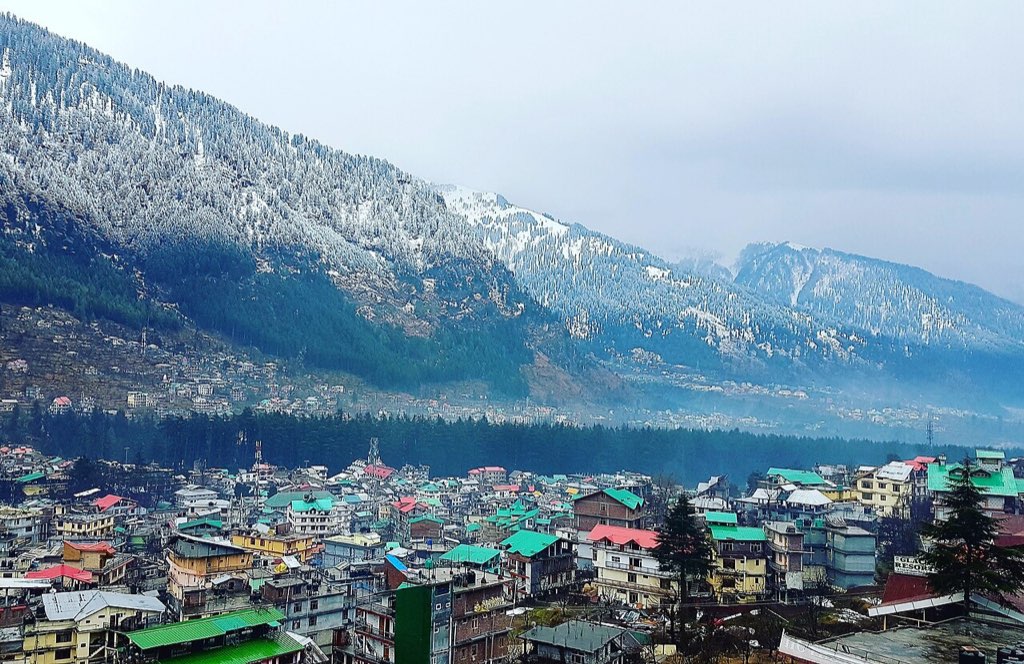
A city flat can run on a cleaning service and a key box. A house above a hill town cannot. Someone has to be there when the power fails, when the road closes, when a guest arrives at nine at night with luggage and no idea which path leads down. Getting that team right, and keeping it through the quiet months, decides whether a mountain homestay works.
The core roles
- Caretaker: lives on or near the property, holds the keys, meets guests, deals with the pump, the generator and the first hour of any problem.
- Cook: in many hill locations meals are part of the stay, since the nearest restaurant can be a steep walk away in the dark.
- Housekeeping: rooms, linen and laundry — heavier work in the hills, where drying takes days in the rains.
- Someone for the heavy lifting: luggage on steps, firewood, snow clearing, gas cylinders.
In a small house one person may cover two roles. What matters is that every task has a named owner, including at night.
Local first
People from the village know the road, the weather, the plumber and the family that owns the neighbouring field. They also give the house standing in the community, which counts when you need a favour after a landslide. Train for hospitality habits — timing, cleanliness, how to handle a complaint — rather than trying to import them.
Where staff sleep
A caretaker who lives on site needs proper quarters: dry, heated in winter, with a bathroom of their own and privacy from guests. Poor staff housing shows up in turnover, and turnover in the hills is expensive because replacements are hard to find mid-season. Budget the staff room as part of the property, not as leftover space behind the kitchen.
Wages, papers and fairness
- Put the terms in a short written letter: duties, hours, days off, food and lodging provided, and the notice period.
- Pay through a bank account rather than cash, so the record protects both sides.
The off-season problem
Demand in the hills rises and falls sharply, but a good caretaker cannot be switched off in the monsoon and found again in May. Owners who keep a retaining wage through the quiet months usually keep their people. Use those months for maintenance, deep cleaning, painting and training — work that has to be done anyway.
Cover when the snow comes
If the house stays open in winter, decide in advance who is snowed in with the guests, how supplies reach them, and who replaces the caretaker if they fall ill or must go home. A second trained person in the village, on call, is worth arranging before December.
Where Hexuvium fits
We work alongside the local team rather than replacing it: guest communication, bookings and pricing from our side, with checklists, arrival notes and a daily report from the caretaker, so the owner sees what happens on the hillside without having to phone every morning.
Frequently asked questions
Does a hill homestay need a live-in caretaker?
In practice, usually yes. Someone must handle late arrivals, power cuts and closed roads, and in some schemes the owner's family itself is expected to live on the premises.
Should I hire locally?
Where possible. Local staff know the roads, the weather and the tradespeople, and they give the house standing in the village when help is needed.
How do I keep staff through the off-season?
Pay a retaining wage and use the quiet months for maintenance, deep cleaning and training. Replacing people in May is harder than keeping them.
In this guide
- Running a homestay in the hills
- Winter operations for mountain homes
- Homestays in Uttarakhand
- Reading the seasons in the hills
- The last kilometre decides the stay
- Water in, water out, and what the guests leave behind
- The hillside is part of the building
- Two utilities decide whether a hill stay is remembered fondly
- The amenity that sells the winter and carries the only real risk
Areas
State pages
More free tools
Sources
Updated in November 2026 — prices and seasons change: we review these pages regularly.
Thinking of renting out your home?
Free, no-obligation estimate from Hexuvium, managing short-term rentals since 2015. Prefer WhatsApp? Leave your number — we reply there.
Get a free income estimate